
Now that we’re a month or so into the school year, families can start to see what’s working, and honestly? What’s not. Maybe the morning routine is finally clicking, but homework is still a struggle. Maybe you’ve discovered that your child needs a snack and some time to move after school, or that bedtime needs to shift a little earlier. It’s all okay! You know more than you did on the first day, and you can celebrate what’s working, notice what isn’t, and adjust as you go.
As the school year continues, Way to Grow’s Programming Staff would love to share some of what they’ve learned about helping children adjust, build skills, and grow more independent.

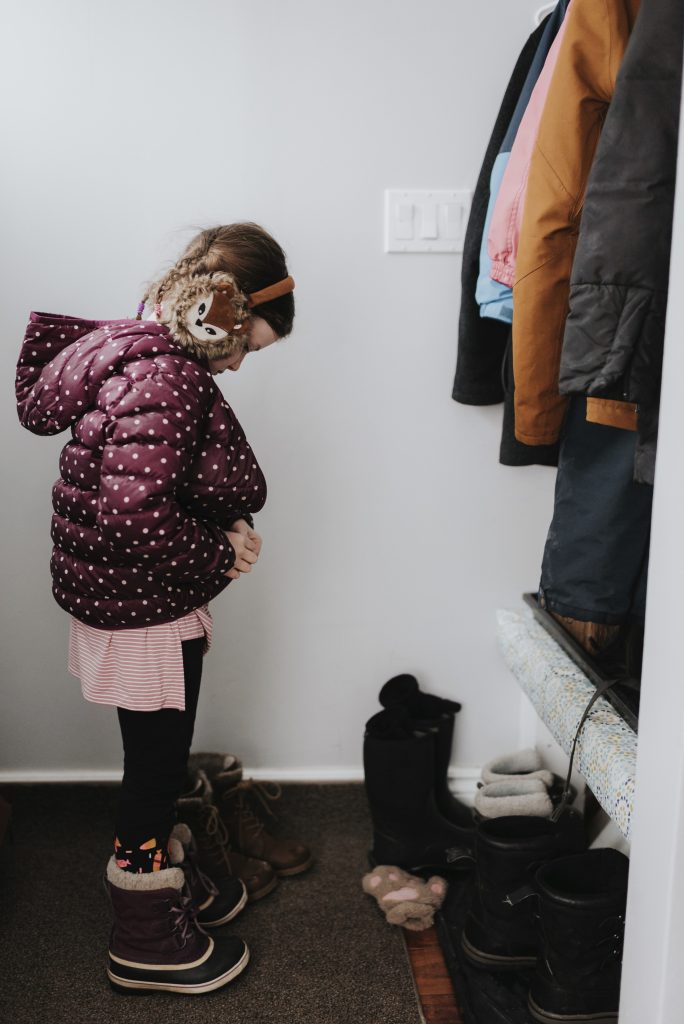
Keep Working on the Routines
A few weeks into the school year, you probably have a better sense of which routines are helping your family, and which could use some adjusting.
Way to Grow Family Educators Eveline and Maria both point to sleep as one of the first places to look when a school routine isn’t quite working. Is your child getting enough rest to wake up ready for the day and make it through school? If mornings are becoming harder or your child is regularly tired at breakfast, bedtime may need to shift a little earlier.
Beyond bedtime, Family Educator Nataya encourages families to think about the rhythm of the whole day. Where does your child seem rushed? When do they have downtime? What parts of the routine seem to cause the most stress?
Sometimes small changes are enough. Choosing clothes the night before and setting packed backpacks near the door can take some of the stress out of the morning. A simple after-school routine, like hanging up a backpack, putting away a lunchbox, and then having a snack, can help children know what comes next.
The routines that work for your family may take some experimenting, and they might evolve as the year goes on. With practice, the steps that once needed lots of reminders can start to feel more familiar for everyone.
During the early elementary years especially, children are still learning how to plan ahead, keep track of multiple steps, and stay organized. Predictable routines in the morning, after school, and at night give them a structured way to practice those skills and, over time, take on more responsibility themselves.
Leave Room Between School and Homework
After a full school day, many children need some time before they’re ready for the next thing. They’ve spent hours listening, learning, following directions, interacting with classmates, and moving through a structured day. What helps your child make that transition? Some children may be ready to talk over a snack. Others need to move their bodies, play, or have some quiet time before turning their attention to homework. You know your child best, and paying attention to what helps them reset can make the transition into the rest of the day a little easier.
If those after-school feelings or behaviors seem especially big, your child may be experiencing something called after-school restraint collapse. Our guide to after-school restraint collapse has more information about what it can look like and ideas that may help.

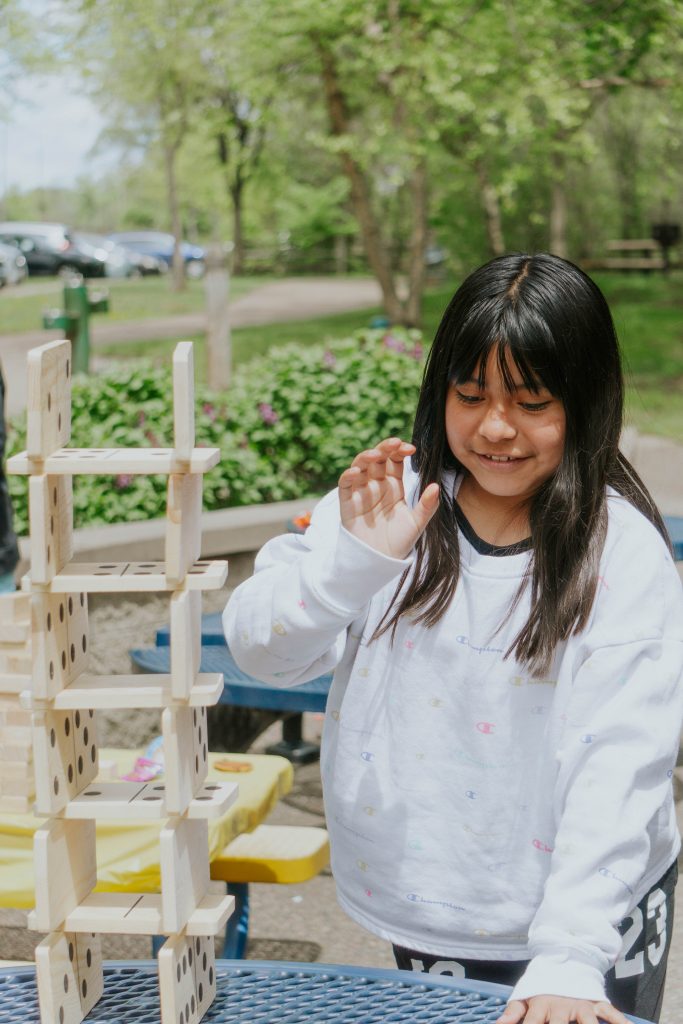
When Getting Homework Done Feels Hard
Even with a good after-school routine, homework can sometimes be a struggle. Before focusing on getting it finished, Way to Grow Education Director Nichole encourages parents and caregivers to get curious about what’s making it hard.
Try asking, “Do you understand what you’re supposed to do?” or “Do you want some help getting started?” Your child may be confused by the work, unsure where to begin, or having trouble staying focused.
Sometimes a quick brain break can help:
- Some movement or outdoor time
- A favorite song or game together
- A snack and time to talk
- Some quiet time alone
If the assignment itself feels overwhelming, Family Educator Nataya recommends making it smaller. One page, one problem, or simply reading the directions together can make beginning feel more manageable.
The goal isn’t to remove every challenge. It’s to help children figure out what helps when something feels difficult, so they can begin building strategies they’ll eventually use for themselves.
Pay Attention to Patterns
Every child has hard days. One difficult morning, homework meltdown, or “I don’t want to go to school” doesn’t necessarily tell us much on its own. Nichole encourages families to notice what happens over time. Is the same struggle happening regularly? Does your child keep talking about the same classmate, subject, or part of the school day?
Start with your child and what they can tell you. Then, check in with their teacher to learn what they’re seeing at school. Depending on the concern, a school counselor, pediatrician, or another trusted professional can also help.
The goal isn’t to assume something is wrong. It’s to stay curious when your child keeps showing you that something is hard.

School Skills Take Practice
Way to Grow Associate Supervisor Tony emphasizes a simple but important responsibility for students: showing up. Getting to school every day and on time helps children understand that they have an important role to play in their own education.
For younger children, that responsibility starts small. Their grown-ups may be the ones setting the alarm, packing lunches, and getting everyone out the door, but children can begin learning, “School is something I show up for.”
And there’s pride in that, too. Going to school, doing their best, and coming home knowing they did their job for the day gives children something to feel good about. As they get older, that sense of responsibility can grow with them. For now, simply recognizing that showing up matters is a meaningful school skill of its own.
From Our Educators, Into Families’ Homes
The “From Our Educators” series brings together the knowledge and experience Way to Grow’s Programming Staff shares with children and families every day. Through home visits, family support, and our preschool classrooms, our educators help families understand what their children are learning, work through challenges, and celebrate the progress happening along the way.
Would you like more resources like this article? Follow Way to Grow on the socials or subscribe to our blog for more “From Our Educators” throughout the year.
Interested in Way to Grow’s free programs and services? Learn more about our work or find out how to enroll.